
The psychology behind risk-taking in casino gambling
The allure of risk in gambling
The nature of risk in gambling is inherently thrilling for many individuals. This thrill stems from the possibility of winning significant amounts of money, which can create an emotional high. When people gamble, they often experience a rush akin to that of adrenaline junkies. This feeling activates the brain’s reward system, releasing dopamine, which reinforces the behavior and draws them back for more, even if the odds are stacked against them. In this context, understanding odds and probabilities is essential to navigate the gaming experience effectively, including looking for the crazy time result.
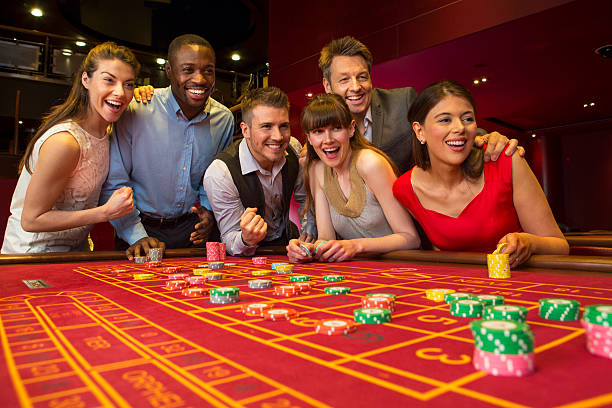
Moreover, this rush can lead to a phenomenon known as “loss chasing.” After a loss, gamblers may feel compelled to take greater risks to recoup their money, leading them to make increasingly impulsive decisions. This cycle of risk-taking can create a sense of euphoria and make losses feel less impactful than they are. Consequently, the initial excitement of risk can evolve into a potentially harmful gambling habit.
Additionally, factors such as peer influence and social environments enhance this allure. In casino settings, the atmosphere is designed to be immersive, filled with sounds, lights, and excitement, creating a collective sense of risk-taking. When individuals see others winning, it fuels their desire to engage, further perpetuating the cycle of risk as they succumb to the electric ambiance of the casino.
The role of cognitive biases
Cognitive biases play a crucial role in the psychology of risk-taking in gambling. One prevalent bias is the “illusion of control,” where individuals believe they can influence outcomes in games of chance. This illusion often leads players to overestimate their ability to predict results, which in turn encourages them to take greater risks. Even when engaging in games that are purely luck-based, players may feel they have some level of control, which can amplify their willingness to gamble.
Another significant bias is the “gambler’s fallacy,” where players mistakenly believe that past outcomes will influence future results. For instance, if a roulette wheel has landed on red multiple times, a player may feel that black is “due” to hit next. This belief can lead gamblers to make irrational bets, convinced that they can outsmart the odds. Such cognitive errors further entrench risk-taking behavior, as individuals continue to engage in high-risk wagers based on false logic.
These biases can be particularly harmful as they create a disconnect between reality and perception. When gamblers convince themselves of their strategies or understanding of odds, they are more likely to escalate their risk, often leading to financial distress. Ultimately, recognizing these biases is essential for understanding the psychological underpinnings of risk-taking in gambling and for mitigating potential negative consequences.
The impact of emotions on decision-making
Emotions play a significant role in shaping gambling behavior, often overshadowing rational thought. When individuals experience excitement or anticipation during gambling, it can cloud their judgment and lead to impulsive decisions. The emotional highs associated with potential winnings can create a desire to continue playing, often regardless of previous losses or the realities of the game. This emotional engagement can lead to poor decision-making, as logic is frequently abandoned in favor of short-term pleasure.
On the flip side, negative emotions, such as frustration or boredom, can also drive people to take risks. A gambler who has just experienced a series of losses might feel a strong urge to chase those losses in hopes of regaining their financial standing. This behavior is often fueled by the desire to escape negative feelings, leading to further risk-taking and potential financial ruin.
Moreover, the influence of social factors can exacerbate these emotional effects. In group settings, the emotions of those around can significantly impact an individual’s willingness to gamble. If a group is engaged in high-stakes betting and celebrating wins, an individual may feel pressured to take risks to fit in or share in the excitement. This social dynamic can lead to collective risk-taking that amplifies the emotional highs and lows associated with gambling.
The influence of environmental factors
The casino environment is meticulously designed to encourage risk-taking behavior. With bright lights, engaging sounds, and an overall festive atmosphere, casinos create a sensory overload that can heighten emotional responses. This stimulating environment can diminish self-control, making it easier for gamblers to lose track of time and money spent. As the ambiance encourages prolonged engagement, players may not realize the impact of their risk-taking until it is too late.
Additionally, the presence of other players can significantly influence individual behavior. Observing someone win can create a contagious sense of excitement that tempts others to join in on high-risk bets. The fear of missing out, coupled with the social aspect of gambling, can drive individuals to take risks they may not ordinarily consider in isolation. This interplay of individual behavior and environmental stimuli underscores the powerful effect of context on gambling choices.
Furthermore, the way games are marketed can also impact perceptions of risk. Promotions that emphasize large jackpots and highlight winners can skew individuals’ understanding of odds, making them more likely to take risks. As a result, the carefully curated casino environment works hand in hand with psychological factors to enhance the thrill of gambling, ultimately driving individuals toward greater risk-taking behaviors.

Exploring Crazy Time Live and its unique appeal
Crazy Time Live offers an engaging platform that encapsulates the essence of risk-taking in casino gambling. With its interactive features, players can enjoy a dynamic experience where the stakes feel higher, and the entertainment value is amplified. This unique format allows players to engage with live hosts and other participants, creating a social atmosphere that further enhances the allure of taking risks.
The game’s structure, which combines elements of chance and strategy, reflects the broader psychology of gambling. Players must assess their risk tolerance while navigating various game mechanics, making decisions that often hinge on emotional responses. The excitement generated during gameplay can create a sense of urgency that encourages players to take chances they might otherwise avoid in a more traditional gaming environment.
Ultimately, Crazy Time Live serves as a case study in how psychological factors influence risk-taking in gambling. By blending emotional engagement with social interaction and a vibrant casino atmosphere, the game embodies the intricate dynamics of human behavior in the face of risk. Whether a beginner or a seasoned player, participants are drawn into this thrilling world, eager to experience the highs and lows that come with risk-taking in casino gambling.
