
Exploring the cultural significance of casinos in modern society
The Historical Roots of Casinos
Casinos have a long and storied history that dates back centuries, evolving from simple gaming houses to the extravagant establishments we see today. Originating in Italy in the 17th century, these venues served as places for socializing and entertainment, reflecting the cultural values of the time. As gambling spread across Europe, it began to take on significant roles in various societies, often intertwined with local customs and traditions. In this modern era, those engaging in the game can explore platforms like aviator, which offers unique gaming experiences.

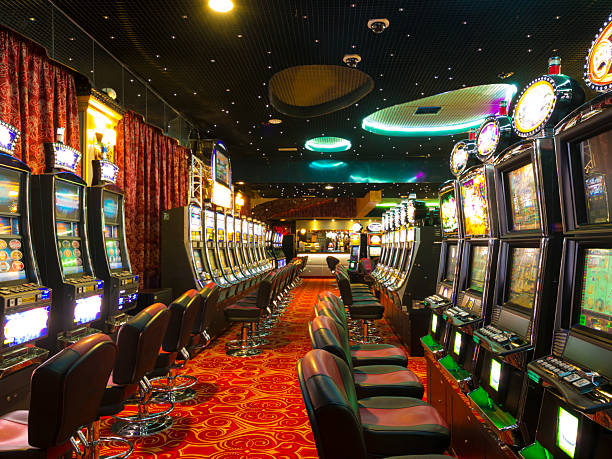
In modern times, casinos have become symbols of luxury and excitement, attracting millions of visitors each year. They serve not just as gambling venues but also as entertainment hubs, hosting concerts, shows, and fine dining. This evolution highlights the adaptability of casinos within different cultural contexts, showcasing how they meet the changing tastes and preferences of society.
Casinos as Social Gathering Places
In contemporary society, casinos function as social hubs where individuals from diverse backgrounds gather to enjoy entertainment and camaraderie. These establishments provide a space for people to interact, whether through gaming or attending events, fostering a sense of community. The lively atmosphere encourages socialization and often breaks down social barriers, creating a melting pot of cultures.
Moreover, the casino experience is often enhanced by themed events and promotional activities, encouraging people to visit in groups. This aspect reinforces the notion that casinos are not just about gambling but are integral to the social fabric, allowing people to celebrate milestones, host gatherings, or simply unwind after a long week.
The Economic Impact of Casinos
Casinos play a vital role in many economies, contributing significantly to local and national revenues. They provide thousands of jobs, from hospitality roles to gaming positions, boosting employment rates in their respective regions. Furthermore, the taxes generated from casino operations help fund public services, infrastructure projects, and community initiatives, making them an essential component of economic growth.
In addition to direct employment, casinos often support surrounding businesses, including hotels, restaurants, and retail stores. This ripple effect can revitalize local economies, particularly in areas where traditional industries have declined. As such, the economic influence of casinos extends far beyond their walls, impacting the livelihoods of many individuals and families.
Gambling and Cultural Perceptions
The perception of gambling varies widely across cultures, with some viewing it as a legitimate form of entertainment while others regard it as morally questionable. In many societies, casinos have sparked debates about gambling addiction and its social implications. This duality reflects the complexities of modern life, where entertainment and risk coexist.
As cultural attitudes towards gambling shift, casinos are adapting by promoting responsible gaming practices and providing resources for those who may need support. This proactive approach not only helps mitigate negative perceptions but also reinforces the notion that casinos can contribute positively to society by prioritizing the well-being of their patrons.
Engaging with the Online Casino Experience
In recent years, the digital transformation has brought the casino experience to the online realm, making it more accessible to a broader audience. Websites dedicated to online gaming offer an engaging platform for players to enjoy their favorite games from the comfort of their homes. This evolution has further integrated casinos into everyday life, as individuals can partake in gaming activities without needing to travel to physical locations.
Platforms like Aviator Game exemplify this shift by providing comprehensive gaming experiences that cater to diverse player preferences. Offering guides, strategies, and a variety of games enhances the online gambling experience, allowing players to engage confidently and responsibly. The growing popularity of online casinos illustrates the continuing cultural significance of gambling in modern society, as it adapts to new technological landscapes and consumer needs.
